Choose the Right Seat and Airline
Long-haul flights can be tiring, but the right seat makes a huge difference. Choose an aisle seat if you want to move freely, or a window seat if you want to sleep without disturbance. Exit row seats offer more legroom. Also, compare airlines for seat pitch, meals, and entertainment.
Stay Hydrated and Avoid Heavy Meals
Cabin air is dry, so drink water regularly. Avoid excessive coffee, alcohol, and sugary drinks. They can dehydrate you and disturb your sleep. Eat light meals before and during the flight. If you have dietary needs, order a special meal in advance.
Sleep Strategy for Long-Haul Flights
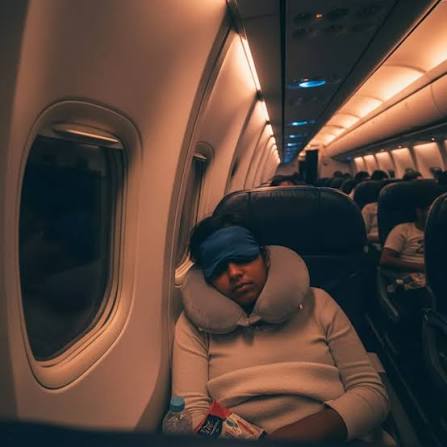
Adjust your sleep schedule before departure. If you are flying east, try to sleep early. If flying west, stay awake later. On board, use an eye mask, earplugs, and a neck pillow. Avoid screens before sleep. A small dose of melatonin may help, but consult your doctor first.
Move Your Body to Prevent Stiffness
- Walk down the aisle every 1–2 hours.
- Do simple ankle circles and leg stretches.
- Use compression socks to improve circulation.
- Avoid crossing your legs for long periods.
Entertainment and Packing Essentials
Download movies, podcasts, and books before you fly. Pack a travel kit with a toothbrush, moisturizer, lip balm, headphones, charger, and a change of clothes. Keep important items in your carry-on, not checked luggage.
Jet Lag Recovery Tips
After landing, get sunlight as soon as possible. Stay awake until the local bedtime. Avoid long naps. Drink water and eat light meals. Give your body 2–3 days to adjust. Melatonin and proper hydration can speed up recovery.
Final Thoughts
Long-haul flights do not have to be uncomfortable. Prepare your seat, sleep, food, and entertainment. Move regularly and manage jet lag. With these habits, you will arrive feeling much better.
Final Thoughts
Comfort on long flights comes from preparation. Hydrate, move, sleep smartly, and pack the right essentials. A little planning makes a 10-hour flight far more bearable.